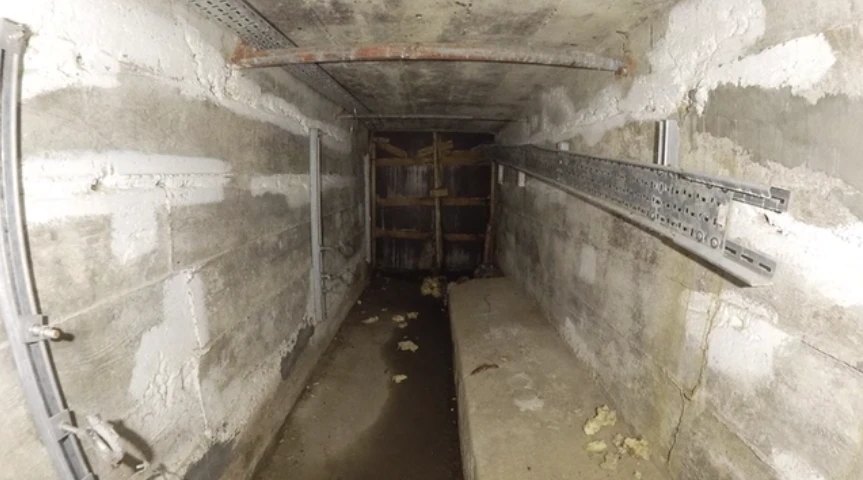
Confined space entry means permits, gas monitoring, rescue cover and often a shutdown. A collision-tolerant drone such as the Elios can fly inside, fully lit and caged, and bring back imagery and video of places people should not have to enter.
Where we flyInside the spaces people shouldn’t enter
- Tanks, vessels and silos
- Ducts, tunnels and culverts
- Chimneys and flues from the inside
- Roof voids, risers and shafts
- Sewers and drainage
- Boilers and industrial plant
What you receiveA clear view of hidden assets
- High-definition imagery and video
- LED-lit capture in complete darkness
- An inspection report of findings
- A visual record for planning maintenance
- Everything shared in VueSync
SaferFewer people in hazardous spaces
Less downtimeShorter or no shutdowns
Better accessReach areas people can’t
TargetedPlan interventions from the imagery
Frequently asked questions
Is drone inspection safer than confined space entry?
It removes or reduces the need for people to enter hazardous spaces for visual inspection, cutting the time, permits and risk involved.
Does the drone need GPS?
No. Collision-tolerant confined space drones are designed to fly indoors without GPS, with onboard lighting and a protective cage.
What can a confined space drone not do?
It is a visual inspection tool. Where contact testing or thickness readings are required, the imagery helps target that work precisely.
Need to see inside a confined space?
Tell us about the space, access points and what you need to find, and we will plan a safe inspection.